November 18, 2026
How ECCO cut its cooling costs by 22%
ECCO's factory in Indonesia cut its air-conditioning costs by 22%, with a payback of 1.6 years, in one of the cheapest electricity markets in the region.

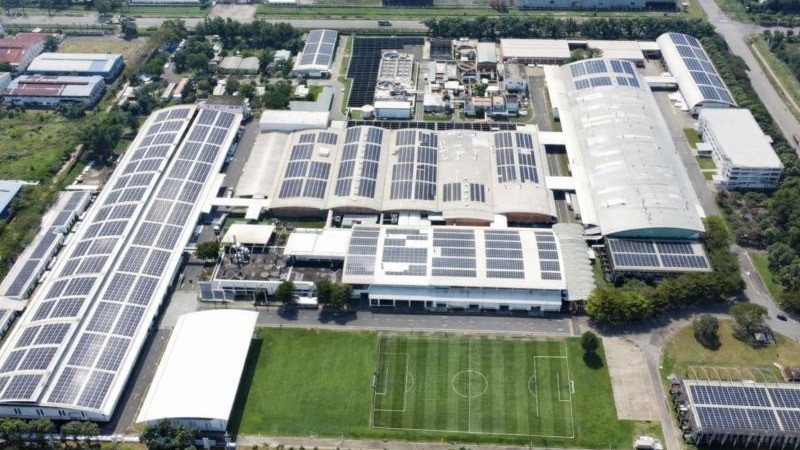
ECCO's factory in Indonesia cut its air-conditioning costs by 22%, with a payback of 1.6 years. In one of the cheapest electricity markets in the region.
If you've bought good leather shoes in the last few decades, there's a fair chance you've walked in ECCO. Founded in 1963, it sells in around 100 countries and employs roughly 20,000 people worldwide.
What makes ECCO unusual is that it makes its own shoes. It owns the whole chain, from its own tanneries to its own factories, including PT ECCO Indonesia in Sidoarjo, just outside Surabaya in East Java: production halls, offices and a lot of people who need to stay cool in a tropical climate.
So ECCO pays its own energy bills. Every kilowatt-hour its air-conditioning uses lands directly on its own P&L.
Why this matters
In Southeast Asia, air-conditioning isn't a summer extra. It runs most of the day, most of the year, and in many factories and offices it's the biggest electricity user on site.
It's also one of the least questioned. The equipment is installed, it works, and the bill looks about the same every month. Nobody measures what it actually uses, so nobody knows what could be saved.
For manufacturers, that's getting harder to ignore. Global brands are under growing pressure to cut emissions across their supply chains, and Indonesia's grid still runs largely on coal. Cooling energy saved in East Java is carbon avoided, not just money saved.
1. The pilot
When Romain Chivot, Finance Director of ECCO Indonesia, came across a LinkedIn post about Bizsu, he didn't expect it to change how the company thinks about energy costs.
The objective was simple: save energy and save money.
After a quick discussion, we ran a pilot at one of ECCO's facilities. Continewm, our net, fits inside the existing indoor AC unit, above the filter. It helps the unit reach its set temperature faster, so the compressor works less. There's nothing to replace, no new equipment and no change to how the AC is used.
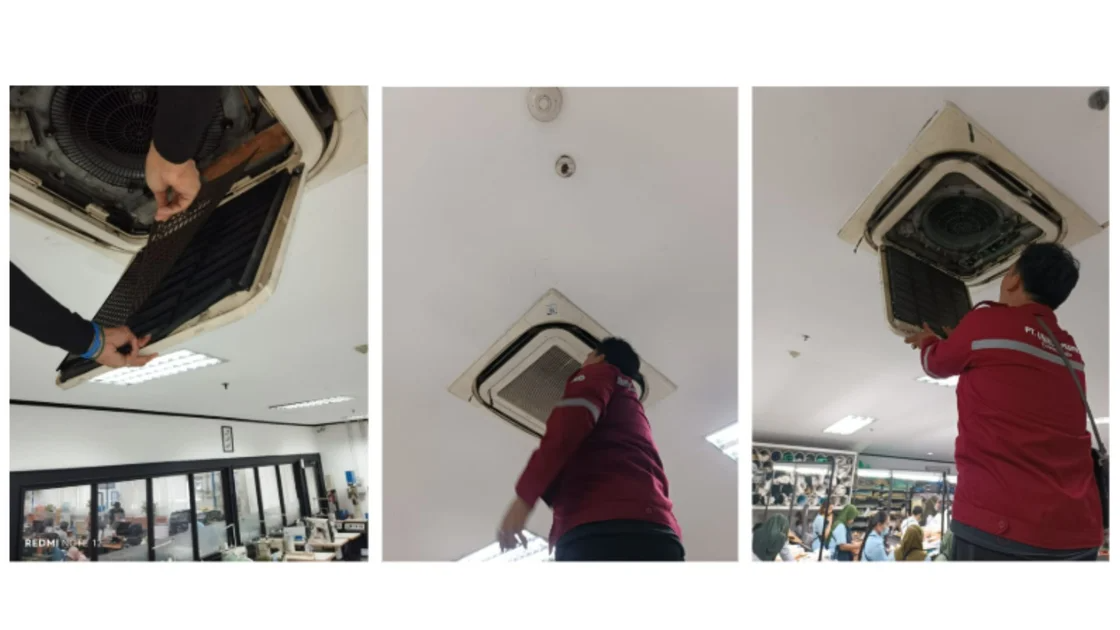
ECCO's own team did the installation, in less than 10 minutes. No contractors, no disruption to production.
2. The result
22% savings on cooling costs, with a payback of just 1.6 years. The savings keep coming long after the nets have paid for themselves.
As Romain put it: "Sometimes we aren't aware how much energy air conditioning actually uses."
Watch Romain explain the project in under 4 minutes: ECCO Indonesia testimonial on YouTube.
3. From pilot to the whole site
What happened next is the part we like most, because ECCO drove it, not us.
Romain asked his team for a full list of the site's air-conditioning units, ready for a quote and a payback simulation, and made it clear he wanted to move quickly.
Because Continewm goes inside each indoor unit, every unit had to be counted by type and size, not just the outdoor condensers that usually appear on an asset list. ECCO's maintenance team went room by room, from wall-mounted splits and ceiling cassettes to the large fan coil units hidden above the ceilings. Brice then walked the site himself to cross-check the count against what was actually installed.
Along the way, ECCO decided to leave out the meeting rooms and focus on the spaces where cooling runs all day.
4. Even with cheap electricity
This is the part that surprised people most.
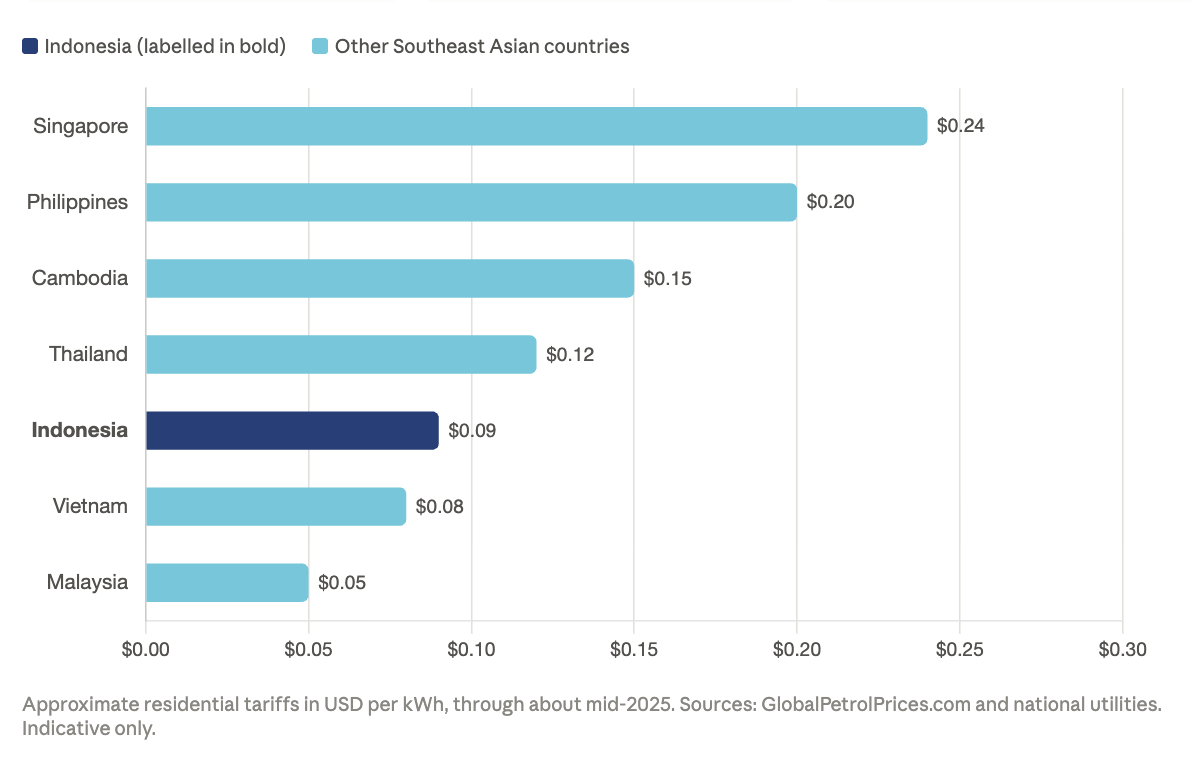
Indonesia has some of the cheapest electricity in the region. Cheap electricity usually makes efficiency hard to justify: smaller bills mean smaller savings, and smaller savings mean a payback nobody wants to wait for.
The numbers still worked, so ECCO equipped the factory and the offices.
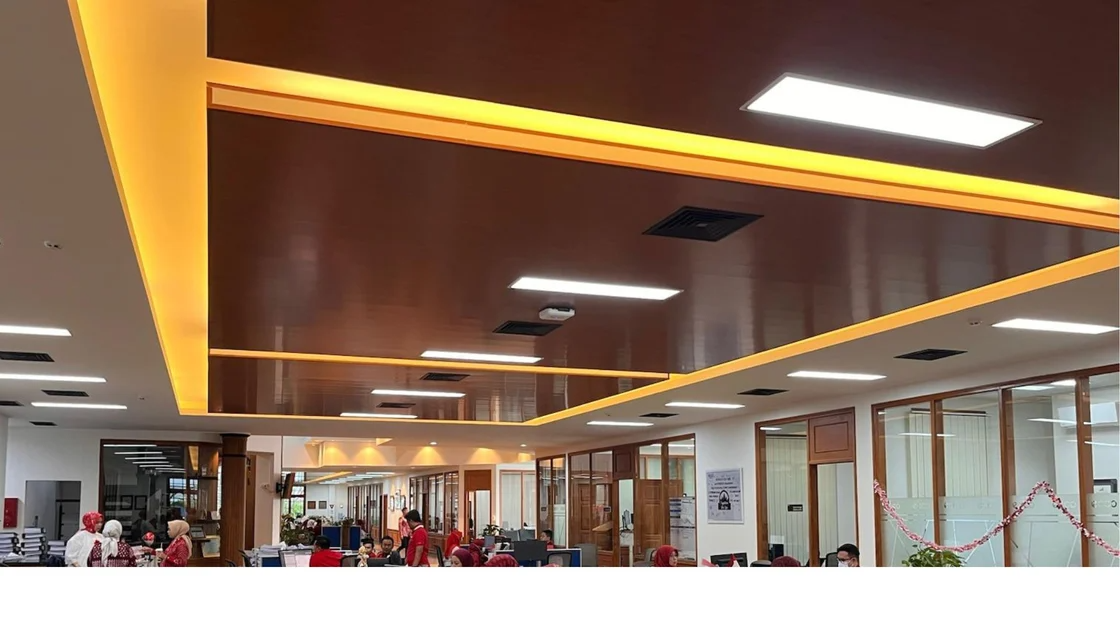
If the case holds up in one of the cheapest electricity markets in the region, it gets stronger almost everywhere else. In Singapore, Manila, Bangkok or Taipei, higher tariffs mean bigger savings and a faster payback for the same result.
What's your AC costing you?
Most buildings we look at have never had their cooling properly measured. If you'd like to know what yours uses and what it could save, write to us. If it isn't a fit, we'll tell you.
